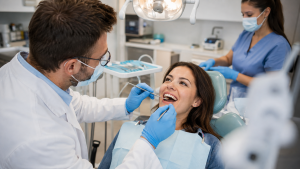
A professional dental cleaning may seem like a simple appointment, but it plays an important role in maintaining a comfortable, healthy smile. Even with careful brushing and flossing, plaque can remain in hard-to-reach areas and eventually harden into tartar that cannot be removed with a toothbrush alone.
If you are searching for a dental cleaning in Vancouver, BC, knowing what to expect can make it easier to schedule care with confidence. A cleaning is not only about making the teeth feel smooth. It also gives the dental team an opportunity to assess the gums, discuss home-care habits, and identify changes that may need attention.
Here is a practical guide to dental cleanings, including what happens during an appointment, how often patients may need care, what can affect the cost, and how to feel more comfortable in the dental chair.
This article provides general information and is not a substitute for an individual assessment. A dentist or dental hygienist can recommend an appropriate cleaning schedule based on your oral health and medical history.
Understanding Professional Dental Cleaning

What does a dental cleaning involve?
A professional cleaning is preventive care performed by a qualified dental professional, often a dental hygienist. Its main purpose is to remove plaque, tartar, and surface stains from the teeth, including areas that are difficult to clean at home.
Plaque is a soft film that continually develops on the teeth. Regular brushing and interdental cleaning can remove much of it. When plaque is left behind, however, it can mineralize into tartar, which is also called calculus. Tartar adheres firmly to the tooth surface and generally requires professional instruments for removal.
Depending on the patient’s needs, a hygiene appointment may include:
- A review of dental and medical history
- An assessment of the teeth and gums
- Measurement of gum pockets when appropriate
- Removal of plaque and tartar through scaling
- Polishing to reduce certain surface stains
- Flossing or other interdental cleaning
- Personalized brushing and flossing guidance
- Fluoride treatment when recommended
A dental examination or X-rays may also be recommended, but these are not necessarily included in every cleaning appointment. Their timing depends on the patient’s history, current findings, age, and risk factors.
What happens step by step?
The visit usually begins with a conversation. The dental professional may ask whether you have noticed bleeding gums, sensitivity, bad breath, tooth pain, dry mouth, or changes in your health or medications. Sharing this information helps the team adapt the appointment to your needs.
Next, the teeth and gums are assessed. The hygienist may look for visible buildup, inflammation, recession, and other changes. Gum measurements can help the dental team monitor gum health over time.
During scaling, handheld or powered instruments are used to carefully remove deposits from around the teeth and gumline. You may hear scraping or a gentle humming sound. These sounds are normal and do not necessarily indicate that anything is wrong.
Once the buildup has been removed, the teeth may be polished with a mildly abrasive paste. Polishing can leave the teeth feeling smoother and may reduce some external stains caused by foods, drinks, or tobacco. It does not change the natural colour of the teeth in the way professional whitening can.
The appointment often finishes with recommendations tailored to the patient. These may include changes to brushing technique, guidance on floss or interdental brushes, or a suggested timeframe for the next visit.
Why are regular cleanings important?
Daily home care and professional hygiene visits work together. Brushing and cleaning between the teeth help control plaque from day to day, while professional cleaning addresses hardened deposits and areas that are easy to miss.
Regular appointments also allow the dental team to monitor patterns. A small change in the gums, a consistently difficult-to-clean area, or increased sensitivity may be easier to address when identified early. Preventive visits can also help patients improve their technique rather than simply being told to “brush better.”
Oral health needs differ from person to person. Someone with minimal buildup and healthy gums may have a different care plan from a patient with gum disease, crowded teeth, braces, dental implants, dry mouth, or certain health conditions.
How often should teeth be professionally cleaned?
There is no single cleaning schedule that is right for everyone. Many people are familiar with twice-yearly visits, but the appropriate interval should be based on individual risk and current oral health.
A dental professional may recommend more frequent hygiene care when a patient has:
- A history of gum disease
- Heavy or rapidly forming tartar
- Persistent gum bleeding or inflammation
- Orthodontic appliances or restorations that are harder to clean
- Dry mouth
- Tobacco use
- Medical or medication-related factors affecting oral health
Other patients may be able to maintain good oral health with a different interval. The goal is not to follow an arbitrary calendar. It is to choose a schedule that supports the patient’s specific needs.
Are dental cleanings painful?
A routine cleaning is often comfortable, although sensations vary. Patients may notice pressure, vibration, water, or brief sensitivity. Discomfort is more likely when there is substantial tartar, exposed root surfaces, sensitive teeth, or inflamed gums.
Patients should tell the hygienist if an area feels tender. The dental team may be able to adjust the instrument, reduce water temperature, take breaks, or discuss options for managing sensitivity. A hand signal can also be agreed upon before treatment so the patient can pause the appointment at any time.
It is common for inflamed gums to bleed during cleaning. Bleeding should not be ignored, but it is not a reason to feel embarrassed. Dental professionals see gum inflammation regularly and can explain what may be contributing to it.
How can nervous patients make the visit easier?
Dental anxiety is common, and patients do not need to hide it. Mentioning anxiety while booking gives the team an opportunity to plan a slower, more supportive visit.
Helpful steps may include:
- Booking at a time of day when you feel least rushed
- Eating normally beforehand unless the clinic provides different instructions
- Asking the hygienist to explain each step before beginning
- Using an agreed hand signal to request a pause
- Bringing headphones if the office allows them
- Requesting shorter appointments if longer visits feel overwhelming
- Discussing sensitivity or comfort options in advance
Patients with significant dental anxiety can also ask a dentist whether additional comfort measures are appropriate. Any option should be selected after reviewing the patient’s health history and the nature of the planned care.
What affects the cost of a dental cleaning in Vancouver?
The cost of a dental cleaning in Vancouver, BC, is not identical for every patient because professional hygiene services are often billed according to the care and time required. A short preventive visit for a patient with minimal buildup may differ from an appointment involving extensive tartar or gum concerns.
Factors that may affect the total include:
- The amount of scaling time required
- Whether polishing or fluoride is provided
- Whether an examination is due
- Whether X-rays are clinically recommended
- The type of examination needed for a new or returning patient
- Whether care involves routine prevention or management of gum disease
Patients can ask the dental office for an estimate before treatment. Because the exact amount of buildup may not be clear until the mouth is assessed, the initial estimate may need to be adjusted. A transparent dental team should explain recommended services and associated fees before proceeding whenever possible.
Does dental insurance cover cleanings?
Many dental benefit plans contribute toward preventive care, but coverage varies by plan. Differences may include how often cleaning is covered, how scaling time is calculated, whether an examination is included, and what percentage the insurer reimburses.
Before booking, patients can review their plan or contact the insurer to ask about dental hygiene, examination, polishing, fluoride, and X-ray benefits. Patients considering the Canadian Dental Care Plan should confirm their eligibility, available coverage, possible co-payments, and whether a particular clinic participates.
Insurance coverage does not determine whether care is clinically necessary. The dental team’s recommendation should be based on oral health, while the patient decides how to proceed after discussing needs, alternatives, fees, and benefits.
How should patients care for their teeth between visits?
A professional cleaning is most effective when supported by consistent home care. Most patients benefit from brushing thoroughly with fluoride toothpaste and cleaning between the teeth using floss, interdental brushes, or another recommended tool.
Technique matters as much as effort. Brushing aggressively can irritate the gums and does not necessarily remove more plaque. A dental hygienist can demonstrate how to angle the toothbrush near the gumline and suggest an interdental tool suited to the spaces between the teeth.
Patients should contact a dental professional rather than waiting for the next routine visit if they develop persistent tooth pain, swelling, a broken tooth, unexplained bleeding, or another concerning change.
Frequently asked questions
Can a dental cleaning remove every stain?
Cleaning and polishing may reduce surface stains, but they cannot remove every type of discolouration. Stains within the tooth or changes related to fillings and crowns may require a separate cosmetic assessment. A dentist can explain whether whitening or another option may be appropriate.
Is a cleaning the same as teeth whitening?
No. A cleaning removes plaque, tartar, and some external stains. Whitening uses specific products to lighten the colour of natural tooth structure. The two procedures have different purposes.
Why do the teeth sometimes feel sensitive after cleaning?
Temporary sensitivity can occur, particularly when tartar covered part of a sensitive root surface or when the gums were inflamed. Patients should contact the dental office if sensitivity is severe, worsens, or does not settle as expected.
Can someone have a cleaning while wearing braces?
Yes. Professional cleaning can be especially useful around brackets and wires, where plaque may be difficult to remove. The hygienist can also recommend tools designed for cleaning around orthodontic appliances.
Should a patient brush before the appointment?
Brushing beforehand is courteous but not essential. Patients should not avoid an appointment because they were unable to brush immediately before it. The dental team is there to provide care, not to judge.
Can a dental cleaning fix gum disease?
Routine cleaning and treatment for gum disease are not always the same. Patients with signs of gum disease may require a more detailed assessment and a personalized treatment or maintenance plan. Only a dental professional who has examined the gums can determine what type of care is appropriate.
Finding patient-centred dental care in Vancouver
When choosing a dental office, patients can look beyond convenience alone. Clear communication, individualized recommendations, transparent discussions about fees, and respect for comfort can all make preventive care easier to maintain.
Enlighten Dental describes its care as a science-based, holistic approach that considers oral health alongside whole-body wellness. Its Vancouver office is located at 805 West Broadway, Ste 701, Vancouver, BC V5Z 1K1.
If it is time for a dental visit—or if you are unsure what type of appointment you need—you can contact Enlighten Dental to ask questions and discuss appropriate next steps. A personalized assessment is the best way to determine the right preventive care schedule for your smile.